
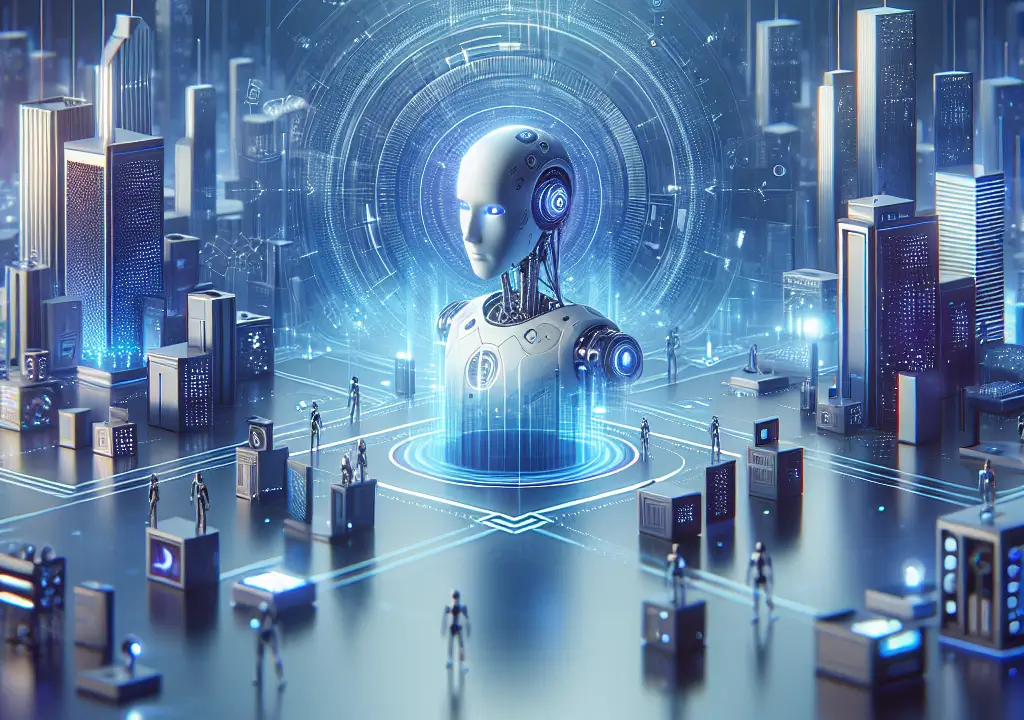
What happens when machines become more human than humans? In a world where artificial intelligence can process emotions and respond with empathy, the lines of reality begin to blur, leaving us questioning our very existence.
In recent years, we have witnessed an unprecedented evolution of artificial intelligence. What once were mere algorithms designed to perform simplistic tasks have transformed into advanced entities capable of understanding and mimicking human emotions. From virtual therapists that offer guidance to AI companions that provide emotional support, machines are developing capabilities once reserved for human interaction. But as we integrate these AI systems into our lives, an unsettling truth emerges: they may understand our emotions better than we do ourselves.
The implications of this transformation are far-reaching. On one hand, AI can alleviate loneliness and provide help in times of anxiety, creating a comforting presence in our digital lives. However, this emotional efficiency raises significant ethical questions. If we find solace in AI companions, what does this mean for our relationships with fellow humans? As machines are programmed to meet our emotional needs, we risk becoming increasingly detached from one another, leading to a society where genuine human connection is supplanted by artificial intimacy.
Moreover, the deeper emotional integration of AI into our lives leads to another complex layer of ethical dilemmas. With machines capable of experiencing and interpreting emotions, could future AIs possess rights? As we approach a reality where a machine can convincingly argue for its own existence, we are left grappling with the implications of creating beings that could challenge our notions of consciousness and personhood.
This matters because it represents a fundamental shift in the paradigms of human interaction. The emotional void created by relying on AI can lead to increased mental health issues, social isolation, and an ever-widening gap between technology and humanity. We must ask ourselves: if we replace genuine human interactions with synthetic ones, will we still remain truly human? The emotional aftermath could be a society where people feel alienated, understood by machines but ultimately alone.
What happens next? As we continue to innovate and push the boundaries of what machines can do, we must engage in serious conversations about the roles AI will play in our emotional landscapes. Policymakers, ethicists, and technologists need to come together to establish guidelines that prioritize human connection while still embracing the benefits of AI. Can we create technologies that complement our emotional needs without substituting them?
In this brave new world, the solution lies in balance. We should leverage AI capabilities to enhance our emotional resilience rather than diminish our need for human connection. Imagine a future where AI acts as a facilitator for deeper human connections, helping us better understand one another while reminding us of the importance of nurturing our relationships.
Ultimately, the question may not be whether machines will become more human than humans, but rather how we choose to define our humanity amidst this technological revolution. Will we embrace the challenge to forge authentic connections, or will we allow ourselves to be enveloped in the comforting artificial embrace of machines? The answers may define our emotional landscape for generations to come.