
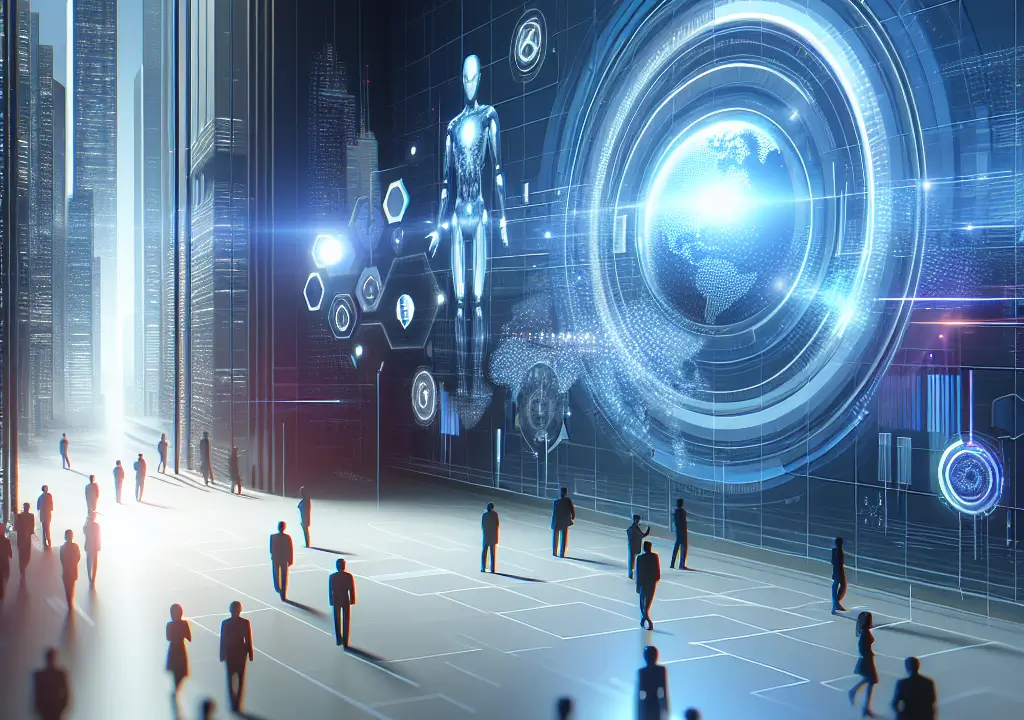
Imagine a world where artificial intelligence doesn’t just solve equations but also interprets the subtle shades of human emotion. Welcome to the future, where technology isn’t just intelligent; it’s emotionally aware.
Over the last few years, rapid advancements in AI technologies have allowed machines to comprehend and analyze human emotions with unprecedented precision. Companies are now leveraging AI to improve customer interactions, from chatbots that recognize frustration to algorithms that analyze sentiment in employee feedback. For instance, corporations like Microsoft and IBM have embedded emotional recognition capabilities in their virtual assistants, leading to more meaningful engagements and better customer satisfaction.
So, why does this matter? The implications extend far beyond mere customer service; they touch the very core of human experience. With the rise of emotionally intelligent AI, organizations can now make data-driven decisions that truly reflect the needs and feelings of their customers and employees. This means more targeted marketing strategies, personalized user experiences, and ultimately, deeper connections between brands and consumers. Imagine receiving a support response that feels genuinely understanding, rather than just a scripted reply. That’s the promise of emotionally competent AI.
But the transformation doesn’t stop there. Emotional intelligence in AI is also impacting workspace dynamics and employee well-being. Tools that gauge mood and sentiment among employees can provide management teams with insights into morale and productivity, enabling them to address issues before they escalate. This leads to a healthier work environment where employees feel valued and understood, reducing turnover and fostering loyalty.
Now, let’s consider what happens next. As emotional AI continues to evolve, we can expect new, innovative applications across various sectors. In healthcare, for example, AI could assist mental health practitioners by providing insights about patient emotions collected from digital interactions, thereby improving treatment plans. In education, AI might personalize learning experiences based on a student’s emotional responses, resulting in better engagement and academic outcomes.
Moreover, there’s a fascinating social dimension to this progress. Imagine a future where AI fosters authentic connections in our personal lives—recommending friends based not just on shared interests, but on emotional compatibility. Dating apps could evolve to create more profound relationships by understanding users’ emotional needs and matching them accordingly. This could encourage deeper, more meaningful connections in an increasingly digital age where communication often lacks emotional depth.
However, this journey is not without its challenges. The ethical implications of harnessing emotional intelligence in AI must not be overlooked. Issues of privacy, consent, and the potential manipulation of emotions pose essential questions that society must tackle. As we embrace these advancements, we must also ensure robust frameworks are in place to protect individuals, maintaining trust in technology.
As we stand on the brink of an emotional AI revolution, we need to envision a future where technology enhances genuine human connection. By understanding and interpreting the intricacies of human emotion, AI does not replace our interactions; instead, it enriches them. Get ready for a transformative era where AI does not merely understand us, but connects us—allowing for a world where empathy and emotion blend seamlessly with technology.