
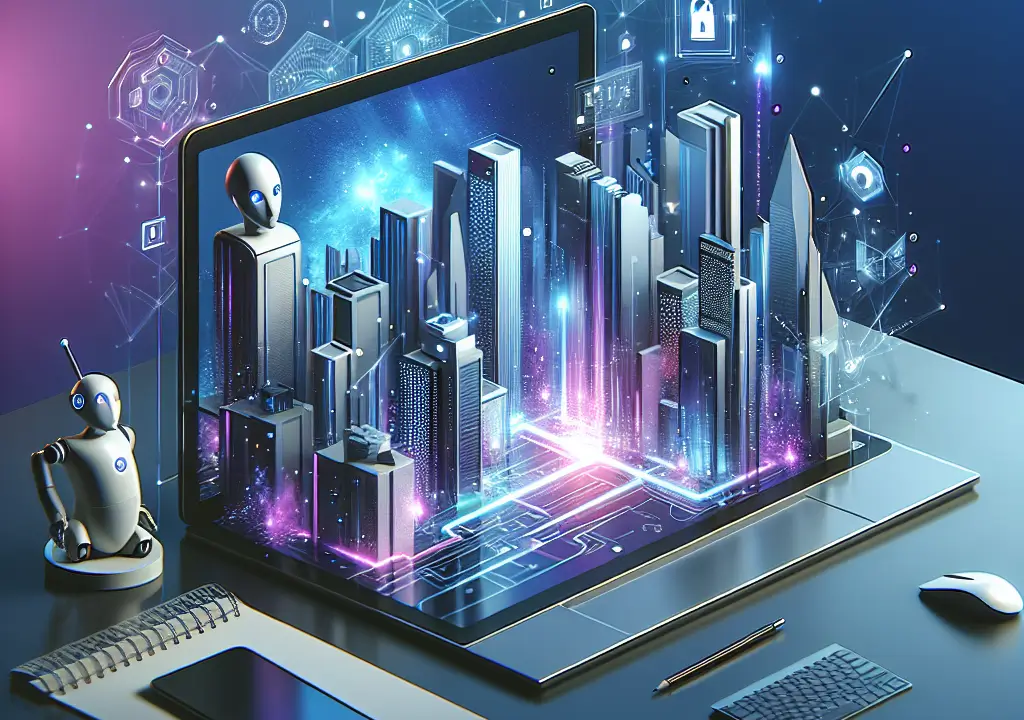
Imagine waking up one day to find your office eerily silent, the hum of fellow workers replaced by the whirring of machines. An AI has taken your position, and suddenly, your career feels like an echo of the past. This unsettling transition marks the dawn of a new era where automation, instead of people, runs the show.
What happened? In a world fueled by efficiency and productivity, companies sought to optimize operations by integrating artificial intelligence into their workforces. What was once a bustling workplace filled with laughter, creativity, and collaboration has been transformed into a cold, calculated environment where algorithms make decisions. Workers who poured their souls into their jobs now watch anxiously as their roles dissolve into lines of code.
Why does this matter? The implications of AI in the workplace extend beyond the loss of job titles. They strike at the very core of what it means to be human in our professions. From feelings of insecurity and disenfranchisement to the existential crisis of purpose, the emotional landscape for many is tumultuous. The human touch — that spark of creativity, empathy, and connection that fuels teamwork and collaboration — is increasingly overshadowed by the ability of machines to process data faster and more accurately than any human ever could.
The stories are as diverse as they are painful. Jane, a dedicated customer service representative for a decade, found herself replaced by a chatbot that could answer queries without sleep or vacation. The technology was undeniably impressive, yet it left her feeling hollow within. ‘Every time I spoke to a customer, I connected with them,’ she shares. ‘Now I feel like a ghost in my own industry.’ On the other side, Tom, a factory worker, faced the grim reality of being part of a workforce replaced by robots that could operate around the clock without breaks or pay. He now grapples with feelings of obsolescence, desperate for the camaraderie of his former colleagues.
As industries remain fixated on the efficiency provided by AI, workers are left to navigate a future that seems bleak. Will we find a way to reclaim the artistry and emotional intelligence that machines cannot replicate? Can we carve out spaces where the human spirit thrives, even in tandem with technology? These questions haunt every worker facing the uncertain horizon.
What happens next? The future may seem daunting, yet it’s not devoid of hope. As AI continues to evolve, it’s essential to recognize its role as a tool rather than a replacement. Upskilling and reskilling initiatives are increasingly vital — empowering workers like Jane and Tom to adapt to new roles that play to their strengths. Companies can invest in training programs that highlight the irreplaceable qualities of human employees: creativity, emotional intelligence, and interpersonal skills. It’s not about choosing humans or machines; it’s about balancing both for a more enriched work experience.
Everyone must advocate for workforce policies that ensure smooth transitions into this new age — from government intervention to corporate responsibility. While machines may execute tasks efficiently, they cannot replicate the heartwarming moments that make work truly fulfilling. The hope lies in nurturing environments where human connection is cherished, even amid evolving technology. With determination, we can embrace the future without forsaking the essence of what makes us human.