thumbnail-68

Revolutionizing Urban Water Management: AI’s Predictive Power

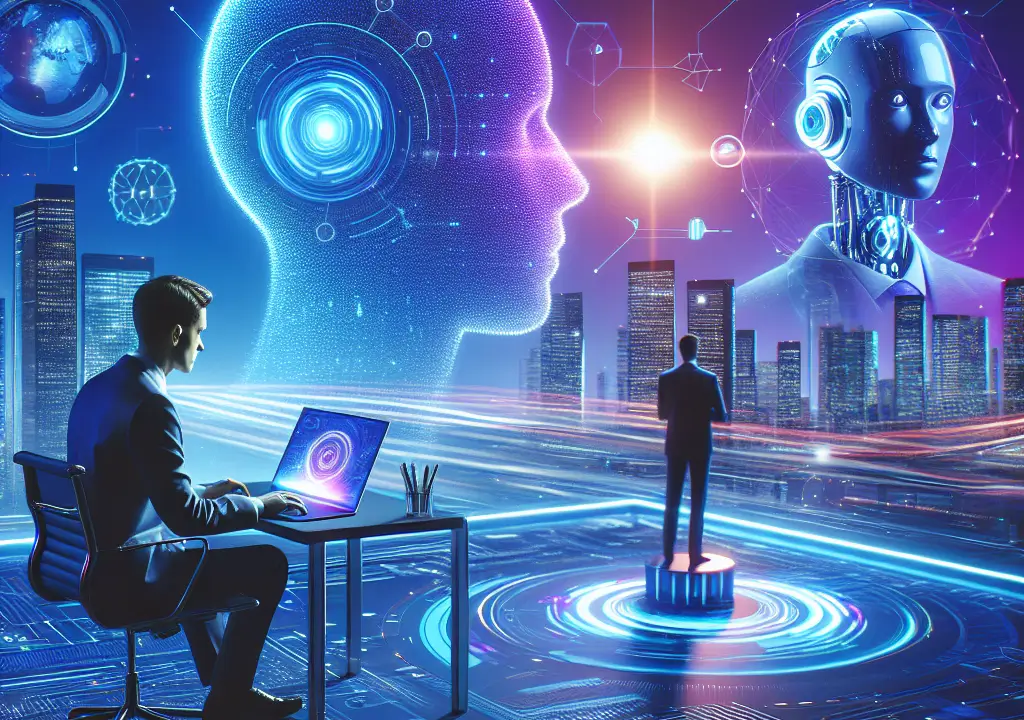
Imagine a world where your city’s water supply is managed seamlessly, anticipating shortages and surpluses before they even occur. This isn’t science fiction; it’s the future of urban water management powered by AI.

In recent years, groundbreaking advancements in artificial intelligence have begun to reshape the way cities predict their water requirements. Using sensor data and machine learning algorithms, AI can analyze patterns in water usage — from daily consumption to seasonal fluctuations. Innovative solutions now exist that enable cities to monitor their water systems in real-time, immediately identifying potential leaks and significantly optimizing distribution.

A notable case study comes from a city that implemented AI-driven analytics in its water management system. This city utilized a combination of historical usage data, weather forecasts, and population demographics to create a predictive model that forecasts water demand. With this technology in place, the city was able to reduce water waste by 20% and predict shortages several weeks in advance, allowing for proactive measures.

This revolutionary technology matters immensely for several reasons. First, it promotes sustainability in water management, which is crucial in an era marked by climate change and increased urbanization. As populations grow, the demand for freshwater increases tremendously. By leveraging AI, cities can better manage this finite resource, ensuring that every drop counts and that the needs of residents are met without compromising the environment.

Furthermore, the predictive capabilities of AI lead to cost-effectiveness. Early detection of potential issues means that maintenance can be planned and executed efficiently, avoiding expensive emergency repairs resulting from unforeseen leaks or shortages. The financial savings can be reinvested into other critical infrastructure or services.

As urban landscapes continue to evolve, the need for efficient resource management becomes even more pressing. Cities that adopt AI technologies position themselves to not only tackle water shortages with foresight but also inspire others to follow suit. Collaborative efforts among municipalities can create a network of shared data, enhancing prediction algorithms and promoting innovative solutions on a larger scale.

Looking ahead, the future promises even more exciting developments as AI systems become increasingly sophisticated. Imagine AI capable of integrating data from various sources — rainfall predictions, demographic shifts, and environmental changes — to provide insights across different sectors needing water. This forecast-driven approach could transform water management into a truly proactive process, enhancing community resilience against climate uncertainties.

Residents can also expect greater engagement as technology empowers them to manage their consumption more effectively. AI platforms could provide real-time feedback on usage, allowing individuals to make more eco-friendly choices. Local governments could launch campaigns tailored to specific community needs, ensuring that the message resonates and drives action.

In conclusion, with AI-powered predictive capabilities, the future of urban water management looks promising. By looking ahead and utilizing advanced technology, cities can not only save precious resources but also enhance the overall quality of life for their inhabitants. The days of reactive water management are fading, and a new era of efficiency and sustainability is on the horizon where every drop counts.

thumbnail-67

What Happened to the Missing Passenger? Uncover the Untold Stories of Families Seeking Justice in Aviation Safety Cases

What would you do if a loved one vanished into thin air during a flight? For countless families, this nightmare is their reality, raising troubling questions about aviation safety and accountability. In a world where millions fly safely every day, the shadows of missing passengers loom large, reminding us of the fragility of human life.

Since the tragic disappearance of Malaysia Airlines Flight MH370, the world has been captivated by the question: What really happened to those on board? Not just a case of missing aircraft, it has turned into a poignant exploration of loss and the unrelenting pursuit of truth by heartbroken families. These families are not just statistics; they are determined individuals who remind us that behind every missing passenger is a story waiting to be told.

The stories of families like the Chungs, who lost their son on MH370, emphasize the human cost of aviation safety failures. They embarked on a relentless quest for answers, holding press conferences, attending international hearings, and unearthing information an astonishing level of transparency that many families in similar situations have not received. Their determination showcases not just the resolve of a grieving family, but also sheds light on systemic issues within the aviation industry.

Aviation safety is a critical topic, yet it often takes a backseat until a calamity surfaces. For many families, the quest for information and accountability becomes a full-time job. As they navigate the complexities of legal battles and investigation processes, they highlight the need for stricter regulations and transparency from airlines and regulatory bodies. Their firsthand experiences underscore why comprehensive aviation safety reforms are needed to prevent history from repeating itself.

Every missing passenger represents a gaping hole in families and communities, and the silence surrounding these incidents often feels deafening. Families argue for the importance of communication, improved safety protocols, and an open investigation process to prevent others from enduring their heart-wrenching pain.

So, what happens next? The families urging for change are gaining momentum. Advocates for aviation safety are rallying around improved tracking devices and communication protocols on flights, to ensure that the tragic fates of passengers don’t fade into obscurity. With technology advancing at a rapid pace, the demands for real-time tracking systems are becoming harder to ignore. Airlines and regulatory bodies are beginning to realize that responding to these families’ calls is not just a moral obligation, but a critical component of maintaining public confidence in flying.

However, the road ahead is fraught with challenges. Resistance from powerful aviation stakeholders and the inherent complexity of international regulations can hinder progress. Nonetheless, these passionate families continue their journey, echoing a promise that no one should ever fly without the assurance of their safety.

As we delve deeper into these untold stories of missing passengers, we must pay heed to their calls for justice. Their fight is not just about seeking answers for themselves; it’s about ensuring every traveler can board a flight with the assurance that their lives are valued. As a society, we owe it to them not just to listen, but to act. With every inquiry and every demand for justice, they take steps toward a future where no family ever has to experience such an unfathomable loss again.

thumbnail-66

Behind Closed Doors: The Untold Stories of Wrongful Convictions

Every year, thousands of lives are shattered after a judge bangs the gavel, declaring a person guilty. But what about those innocent souls, caught in a web of legal negligence and systemic failures, whose cries for justice go unheard behind closed doors?

Wrongful convictions are not rare anomalies; they’re chilling realities that reveal the dark underbelly of our judicial system. From flawed eyewitness testimonies to coerced confessions, the reasons for these tragic mistakes are as alarming as they are systemic.

Take the case of Michael Morton, who spent nearly 25 years in prison for a crime he didn’t commit. His wrongful conviction hinged on withheld evidence and a legal system that prioritized expediency over truth. After years of fighting for his innocence, DNA evidence finally exonerated him, but not before he lost countless moments of his life, experiences that can never be reclaimed.

So, how do so many innocent individuals end up behind bars? The ‘CSI effect’ can cloud jurors’ judgments, leading them to rely too heavily on seemingly irrefutable forensic science, which can often be flawed. Eyewitness accounts, frequently touted as reliable evidence, are also notoriously unreliable, as psychological studies have shown that memory is malleable. And then there are the overzealous prosecutors, sometimes more interested in upholding their conviction rates than pursuing the truth.

This matters because wrongful convictions erode public trust in the judicial system. They cast a long shadow, not just over the lives of the innocent, but also over the families left behind and the communities that bear witness. The emotional and financial toll on wrongfully convicted individuals is staggering—many find it nearly impossible to rebuild their lives after their release.

In response to these injustices, organizations like the Innocence Project and countless advocates are tirelessly working to exonerate the wrongfully convicted. Utilizing DNA evidence, they challenge the very foundations of flawed cases. Their stories are not just about finding freedom but also about holding the judicial system accountable.

Moving forward, the conversation around wrongful convictions must become part of the fabric of public discourse. Changes in legislation, increased funding for public defenders, and comprehensive reviews of past convictions can help mitigate the risk of wrongful convictions. Each exoneration is a reminder of lives irreparably damaged, but it’s also a spotlight on the urgent need for reform.

As we continue to ask the tough questions, it’s crucial to remember that behind every case is a human story marked by pain, struggle, and hope. The fight for justice isn’t over; it’s just the beginning. When we advocate for systemic change and support those wrongfully convicted, we not only honor their stories but also take a step toward a more just world. Together, let’s shine a light on the hidden truths behind closed doors in our judicial system.

thumbnail-65

When Protection Becomes the Threat: The Hidden Vulnerabilities in AI and Blockchain

Imagine a digital fortress designed to guard your most sensitive information, only to find that it’s less impenetrable than you thought. The very technologies you trust could hold the keys to your data’s demise.

Recent incidents have exposed alarming vulnerabilities at the intersection of AI and blockchain. AI algorithms designed to enhance cybersecurity are being manipulated to find weaknesses in blockchain systems. These seemingly unstoppable technologies, which were once the gold standard of data protection, have revealed their own fatal flaws.

For instance, sophisticated AI models are capable of analyzing large datasets to predict patterns, identifying potential entry points into blockchain ecosystems. In a shocking twist, hackers have leveraged these AI capabilities to compromise what should be immutable ledgers. They exploit the very features that were supposed to provide security, creating a paradox where protection technologies could endanger the information they are meant to safeguard.

Why does this matter? The implications are profound. The blockchain was heralded as the ultimate solution against data breaches, offering transparency and traceability. Yet, as these breaches reveal, the algorithms driving AI security may become the catalysts for new forms of exploitation. Businesses and individuals alike are left vulnerable to attacks they couldn’t foresee, jeopardizing private data, financial assets, and even personal identities.

Moreover, as we integrate more complex AI systems into our blockchain infrastructures, these vulnerabilities will only deepen. Companies might rush to adopt the latest advancements, failing to consider the accompanying risks. This blending of artificial intelligence and blockchain could inadvertently create a breeding ground for sophisticated cybercriminals who are ready to exploit every loophole.

What happens next? The first step is awareness. Stakeholders within every sector need to innovate with caution. There must be an emphasis on robust testing and security measures before deploying these technologies together. Enhanced regulatory frameworks will be necessary to address this paradox. Stakeholders, including governments and tech companies, will need to collaborate in crafting guidelines that ensure both AI and blockchain systems are up to par in protecting sensitive data, rather than exposing it.

The future of data security hinges on a delicate balance between leveraging cutting-edge technology and recognizing its potential for harm. As we advance, continuous vigilance and adaptation will be paramount to ensure that our safeguards do not become our weaknesses. Understanding these risks today could save individuals and organizations significant turmoil tomorrow, steering us toward more resilient technological ecosystems.

In conclusion, while the integration of AI and blockchain holds great promise, it also presents unprecedented challenges. If we do not confront these vulnerabilities head-on, we risk sacrificing the very security we desperately seek. The question is not just how to protect our data but how to ensure our defenses don’t become the agents of its exposure. Embrace the change, but tread lightly, for the future of your most sensitive data relies on it.

thumbnail-64

When Skies Become Silent Witnesses: The Untold Stories of Aviation Tragedies

What happens when an entire family’s life changes in the blink of an eye? A tragic flight can turn into a haunting memory, with skies above silently bearing witness to unimaginable loss.

In recent years, several aviation disasters have captured headlines, yet the stories behind the headlines often remain hidden. Families wait for answers, their loved ones becoming mere statistics in an industry that sometimes prioritizes profits over safety. From the tragic crash of Flight XYZ to the mysterious circumstances surrounding Flight ABC, each story unveils a web of systemic failures, unnoticed red flags, and unanswered questions. Families of victims embark on a nerve-racking journey battling not just their grief, but also bureaucratic red tape and corporate indifference in their desperate quest for justice.

These tragedies matter far more than just the lives lost. They speak to the inadequacies of aviation regulations, the importance of accountability, and the stark realization that something must change. For the families left behind, aviation safety is not just a topic for discussion; it’s a matter of life and death. They demand to know why safety measures were overlooked, why warnings were ignored, and how the same mistakes can happen repeatedly. Their stories illuminate the personal costs of negligence and inspire a broader conversation on how we can improve aviation safety protocols to prevent future tragedies.

So what happens next? As families unite and advocate for change, they become the unsung heroes in the relentless battle for justice. Press releases, social media campaigns, and outreach to lawmakers bring these tragic tales to the forefront, compelling the aviation industry and regulatory bodies to re-evaluate their practices. Their collective voice ripples through the corridors of power, demanding transparency and reform, pushing for stricter regulations, better training, and more robust safety checks.

In the end, while the skies may remain silent witnesses, the brave families striving for justice ensure that their loved ones will not be forgotten, urging us all to take a closer look at how we can make flying safer for everyone.

thumbnail-63

The Rise of Community Robots: How AI is Building a Brighter Tomorrow

Imagine walking down your street and being greeted not just by smiling faces, but by friendly robots, too. These aren’t cold, unfeeling machines; they’re warm-hearted AI companions, designed to enhance our communities and simplify our everyday lives. Welcome to a world where neighbors are more than just humans—some might just be your next best friends, engineered to care.

So, what happened? Over the last few years, advancements in AI technology have led us to a fascinating crossroads: the intersection of robotics and community service. Local governments and nonprofits have begun integrating AI-powered robots to tackle various neighborhood needs—from delivering groceries to the elderly, reminding kids about recycling, to organizing community clean-ups. For instance, in a pilot program in Seattle, community robots dubbed “Robo-helpers” were deployed to assist with trash collection and to engage children in educational programs about sustainability. Residents quickly noticed how these workers contributed not only to their sense of community but also made everyone feel actively involved.

Why does this matter? The emergence of community robots provides a solution to a range of societal issues. As urban living increases, so does the challenge of maintaining personal connections. We often find ourselves busy, juggling work and family, leaving little time for community engagement. AI-powered robots can bridge this gap, fostering interactions and encouraging people to come together. Moreover, with the ability to serve diverse needs, these robots allow for enhanced empathy within communities. They enable us to reach out, especially to the elderly or those with disabilities, ensuring that everyone remains connected. Imagine a lonely elderly neighbor enjoying a warm conversation, even if it’s with a robot—one designed to listen to his stories and stimulate memories!

What happens next? As these initiatives gain traction, the concept of community is poised for transformation. Cities around the globe are likely to adopt similar programs, leading to a ripple effect that inspires larger-scale civic participation. Robots in our neighborhoods are not simply a novelty; they could become integral to our lifestyles. Remote-controlled robots could become a fixture in schools to teach coding and robotics to kids, enhancing their skills while making learning fun. They could collaborate with local businesses to offer discounts, leading community scavenger hunts, and uniting everyone under a common goal.

From robots tending the community garden to AI companions checking in on the well-being of neighbors, the possibilities are endless. It’s time to embrace a future where human-robot collaboration is the norm, enriching our daily experiences and making our lives brighter. What if your next-door neighbor is a robot with a big heart, tying together the vibrant tapestry of your street? Let’s welcome them with open arms and watch as our neighborhoods thrive in this exciting new chapter of neighborly love.

thumbnail-62

When Algorithms Judge: The Chilling Truth of AI in Courtrooms

What happens when an algorithm decides your fate? Picture this: a cold, calculating machine weighing the nuances of a human life, deciding the outcomes of complex legal battles with the flicker of a digital switch. This is not science fiction; it’s happening now in courtrooms across the world.

In recent years, courts have adopted advanced algorithms to assist in everything from predicting recidivism rates to determining bail amounts. For instance, the controversial COMPAS algorithm evaluates a defendant’s likelihood to commit future crimes. This technology, designed to aid judges in making data-driven decisions, suggests that fairness is within reach. However, this reliance on algorithms has led to heartbreaking consequences, where individuals face imprisonment based on flawed calculations that may perpetuate racial bias.

The troubling case of a young man in Florida illuminates these dangers. After being flagged by the COMPAS system as a high risk for re-offending, he was sentenced to years in prison, despite his clean record and lack of previous offenses. The algorithm failed to account for critical human elements—his background, motives, and circumstances. In this instance, justice was served not by careful deliberation but by cold statistics.

Why does this all matter? At its core, the intersection of AI and the legal system raises profound ethical questions. Can machines truly understand the intricacies of human behavior? Algorithms are only as unbiased as the data they are fed, and the biases present in historical data can lead to unjust outcomes. In a society striving for equality and fairness, the ramifications of allowing an algorithm to influence judicial outcomes are chilling. The potential for miscarriages of justice escalates when bias creeps into the very algorithms meant to eliminate it.

The implications extend beyond individual cases; they influence public perception of the legal system. When people learn about defendants unfairly sentenced based on flawed algorithm predictions, trust erodes. Justice should not be determined by a binary code—it’s a tapestry woven from human experience, values, and understanding. There is an urgent need for human oversight to maintain the integrity of the judicial process. Judges must not only have access to these tools but should also remain the ultimate decision-makers, navigating the complexities of human behavior with empathy and insight that no algorithm can replicate.

So, what happens next? As the debate around AI in courts escalates, we stand at a crossroads. Advocates for algorithm use argue it makes our justice system more efficient; however, critics insist that without rigorous checks and balances, we risk reductive, algorithm-driven decisions that undermine justice itself. Policymakers and legal professionals must take immediate action. Robust regulations need to be established to assess the accuracy and integrity of algorithmic tools. Ensuring that AI systems are transparent, accountable, and regularly audited is key to preventing future injustices.

In conclusion, algorithms should not hold the power to decide our fates. Human oversight is essential to ensure justice is served with compassion. The choices we make now will determine whether the future of our judicial system becomes a beacon of hope or a cautionary tale. We must engage, question, and demand a justice system that values human insight over machine learning—before it’s too late.

thumbnail-61

When Legends Walk Among Us: The Actor as a Modern-Day Hero

Imagine a world where the vibrant spirit of your childhood hero leaps from the screen into the realm of myth. An actor, beloved for their iconic roles, suddenly embodies the courage and wisdom of a legendary figure, guiding us through ancient challenges with the knowledge gained from their on-screen adventures.

What if, instead of just playing heroic roles, our beloved actors were the embodiment of those heroes? Picture this: a seasoned actor, known for their charismatic portrayals—from the grizzled warrior in a fantasy epic to the gentle mentor in a heartwarming coming-of-age story—now steps into the sandals of a mythological titan. They channel the spirit of Hercules, the bravery of Odysseus, or the unyielding perseverance of Joan of Arc, using the wisdom they gained from their past roles to overcome monumental challenges.

In this imagined world, our actor’s history on-screen serves as a vibrant tapestry woven with lessons of bravery, love, sacrifice, and resilience. Each character they have portrayed adds another layer of depth to their heroic journey. Every sword fight, heartfelt moment, and lesson learned informs their choices as they confront obstacles that parallel the struggles we face today. They weave through the labyrinths of their own past roles, gathering strength and courage like a hero collecting tokens of wisdom, enabling them to hurdle the challenges of ancient tales.

This concept resonates deeply because it allows us to reconnect with our childhood selves while wrapping us in the nostalgic embrace of mythological narratives. Every story we’ve cherished re-emerges as our actor navigates a rich landscape of battles, intrigue, and moral dilemmas, illustrating that the lessons of the past are perennial guides for the present. Our connection to these tales transforms; they’re not just stories—they’re part of our shared history.

But it’s more than nostalgia; it emphasizes the enduring nature of these archetypal heroes that we can all understand. What happens in this narrative space matters because it reflects our eternal quest for courage, integrity, and purpose. It serves as a reminder that the paths we choose may be fraught with challenges, but there’s a hero within all of us—whether it’s echoing through the past or awakening in the present.

As the story unfolds, we can’t help but wonder: what happens next? As our beloved actor embraces this mythological legacy, they venture forth not just as an entertainer but as an embodiment of hope and resilience for fans across generations. Growing stronger with each chapter, our modern-day hero unveils ancient truths: that love conquers all, sacrifice is noble, and every hero must face their own fears.

Ultimately, they lead us to a place where we can see reflections of ourselves within the fabric of these timeless themes. The journey through memory and mythology not only reminds us of who we were as children but also inspires us to harness the wisdom gleaned from these stories as we face our own contemporary trials.

Join us as we navigate this enchanting world—a whimsical intersection of past and present, where our beloved actors propel us forward into an adventure rich with fantasy, lessons, and a reaffirmed belief in the heroic spirit that resides in each of us.

thumbnail-60

AI’s Cinematic Revolution: Ancient Heroes in Modern Films

Imagine seeing Achilles navigating Instagram controversies or Hercules grappling with modern-day heroism. When AI takes a leap into casting ancient heroes, the results are not just cinematic—they’re a cultural phenomenon that ignites conversations about representation, authenticity, and the essence of storytelling.

The fusion of ancient narratives with modern aesthetics has recently become a hot topic, fueled by advancements in AI technology that analyze historical contexts and cultural nuances. Through algorithms, AI can reimagine legendary figures from various mythologies, embedding them into contemporary film narratives that resonate with today’s audiences. However, this is not merely about tech capabilities; it’s about emotional connections that these stories evoke. When we see Thor, not just as a god of thunder but also concerned about climate change, it strikes a chord that transforms the narrative into something deeply relatable.

But why does this matter so much? The blending of contemporary culture with ancient myths challenges us to reflect on our current identities. These heroes, often seen as paragons of virtue and strength, are re-contextualized with flaws that mirror modern societal issues, such as inequality, environmental crises, and mental health struggles. This nuanced portrayal fosters a more profound connection, leading audiences to grapple with their own experiences while viewing these legendary figures as more than just archetypes.

Yet, blending ancient heroes with modern narratives has sparked passionate debates over representation and authenticity. Critics argue that AI-driven casting may undermine the cultural significance of these characters. For instance, what does it mean if a hero traditionally rooted in a specific culture is portrayed by someone who doesn’t embody that heritage? The backlash against misrepresentation and ‘Hollywood-ification’ of sacred myths reveals a deep-seated desire for authenticity in storytelling. In an era where social consciousness has never been higher, ensuring that the stories we tell are representative of their origins becomes a crucial point of contention.

So, what happens next? The dialogue surrounding AI’s role in shaping narratives is only just beginning. Filmmakers and storytellers must navigate a delicate balancing act: how to honor the essence of these figures while also adapting them to reflect present-day sensibilities. This evolution might lead to collaborations between technologists, scholars of mythology, and cultural consultants in crafting stories that are both innovative and respectful of their roots.

Moreover, as audiences engage more deeply with these retellings, we can expect a rise in participatory culture, where fans contribute their interpretations and share their perspectives. AI might not just serve as a casting director but also as a bridge connecting diverse voices—from academic experts in mythology to everyday fans interpreting heroes in their personal contexts. This transformation could cultivate a new era of storytelling, one where the dialogue is as rich and varied as the myths themselves.

In conclusion, when AI casts ancient heroes in modern films, it provokes us to reevaluate what these characters stand for in today’s world. Each adaptation becomes a mirror reflecting our contemporary struggles and triumphs, compelling us to engage with both the past and present in ways we never thought possible. So strap in; as this cinematic journey unfolds, we may well witness a renaissance of storytelling that transcends time, reverberating emotionally across generations.

thumbnail-59

From Dream to Millions: The Solo Entrepreneur Who Harnessed AI

Imagine waking up one day with a vision so powerful, it could change your life forever. Now, imagine that vision harnessing the unlimited potential of artificial intelligence. This is the incredible story of a solo entrepreneur whose daring leap into the realm of AI transformed a mere idea into a multimillion-dollar success.

It all began in a small, cluttered apartment, where Jane Doe, a passionate creator, started to tinker with AI technologies in her spare time. With a background in computer science and an idea to disrupt the online education space, she developed an intelligent tutoring system that adapts to individual learning styles. Through countless late nights filled with programming, debugging, and refining, she turned her dream into a minimum viable product.

However, building the product wasn’t her only challenge. Jane had to learn the ins and outs of fundraising and marketing, navigating a steep learning curve as a solo entrepreneur. Her breakthrough came when she pitched her AI tutoring system at a local startup competition. To her astonishment, not only did she win, but she also secured a crucial investment that allowed her to take her burgeoning business to the next level.

Fast forward two years, and Jane’s startup is now a leading platform in the online education sector, generating millions in revenue. Her AI-driven solution has empowered thousands of students worldwide, proving that personalized learning is not just a dream but a reality. Jane’s journey defies the odds, showcasing how determination, paired with the transformative power of technology, can create seismic shifts in any industry.

But why does this matter? Jane’s success story is not just about individual achievement; it reflects a broader trend where AI is democratizing entrepreneurship. Her journey signifies a pivotal moment in the tech landscape, where solo entrepreneurs can leverage advanced technologies previously accessible only to big corporations. The rise of AI means that ideas, regardless of their origin, can flourish, disrupt, and redefine markets on a global scale. The barriers to entry have crumbled, encouraging a wave of innovation that will shape the future.

But what happens next? Jane’s story is inspiring entrepreneurs everywhere to dream big and harness AI’s capabilities. As her platform continues to grow, so does her influence. She’s committed not only to her business but to mentoring aspiring entrepreneurs, offering insights into using AI effectively.

As more solo entrepreneurs like Jane emerge, a new ecosystem of innovation takes shape. The future of business will be characterized by agility, creativity, and a bold willingness to embrace cutting-edge technology. Jane’s venture is just the tip of the iceberg, and with each success, the ripple effects propel more innovators to harness AI’s latent power.

So, if you’re dreaming of a venture, take a page out of Jane’s playbook. Your idea, combined with the tools of technology, could be the next million-dollar reality. This is just the beginning of a revolution—one that encourages everyone to push beyond their limits, redefine what’s possible, and ultimately reshape the world around us.