
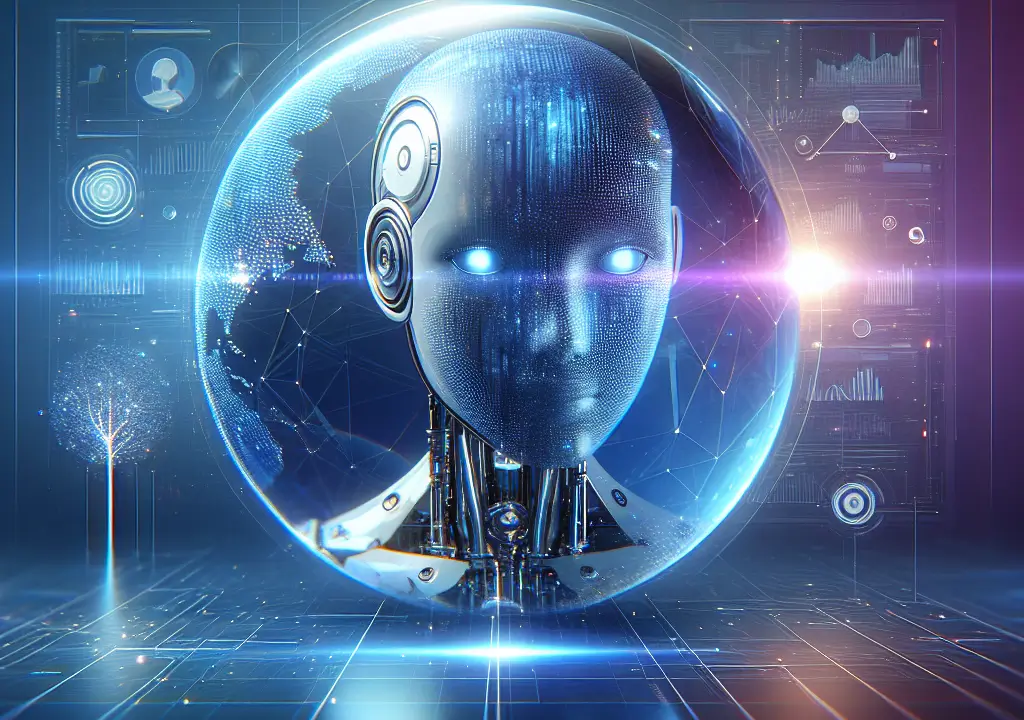
As the hum of machinery drowns out the sound of typing fingers and creative minds, a chilling reality emerges: workers are becoming complacent in a world where AI does the heavy lifting. What happens when we allow machines to do it all?
In recent years, companies have increasingly turned to artificial intelligence to streamline processes, automate tasks, and improve efficiency. From chatbots answering customer queries to algorithms analyzing data trends, AI’s grip on the workforce is tightening. Employees, eager to stay relevant and productive, have started relying heavily on these AI systems. But this dependency can lead to a dangerous paradox: while AI handles mundane tasks, workers risk losing critical thinking skills and creativity.
Complacency sets in. Once proficient in their jobs, many workers now find themselves merely overseeing AI-generated reports or approving decisions made by algorithms. Skilled professionals are transforming into passive observers, watching as machines take center stage in productivity. The concern is not just about job security; it’s about the gradual erasure of human ability and insight. This tendency to lean heavily on AI feels convenient now, but it could have long-term consequences. If workers don’t cultivate their critical skills, they may find themselves ill-equipped for future challenges.
Why does this matter? The implications are significant. First, businesses may lose their competitive edge. An organization full of complacent employees is unlikely to innovate or adapt to changes in the market. When AI assumes the role of decision-maker, creativity takes a backseat. Lack of human intuition, empathy, and unique perspective could lead companies down a path of stagnation, diminishing their ability to respond effectively to new trends.
Second, the evolving relationship with AI creates a culture of dependency that can stymie professional development. When workers entrust AI with their tasks, they may inadvertently relinquish their authority to machines. Workers who are not actively engaged in problem-solving or decision-making risk becoming out of touch with their industry. This disconnect might not only hamper individual career growth but could also lead to a workforce that is less resilient against AI disruption. Companies, recognizing this threat, may then pivot toward AI-centric strategies, sidelining employee innovation and creativity.
Finally, the question arises: what happens next? As AI continues to advance, it’s imperative for workers to find a balance between utilizing its capabilities and honing their own skills. Rather than allowing AI to handle everything, teams can focus on leveraging AI as a tool to enhance their work, rather than replace it. Organizations need to foster environments where human judgment and insight are valued over mere automation.
To mitigate the risks associated with complacency, businesses should prioritize training and development programs that encourage workers to engage with technology actively. A culture of collaboration between AI and human ingenuity may ultimately yield greater results than one dominated by machine efficiency alone. Incorporating skills training, critical thinking workshops, and creative brainstorming sessions can rekindle the innate talents of workers while complementing the strengths of AI.
While it might seem like a dream to delegate responsibilities to AI, the unsettling truth remains: the over-reliance on machines can dull our sharpness and creativity. Embracing AI as a partner, rather than a crutch, will ensure we remain capable, innovative thinkers ready to tackle the challenges of tomorrow.