
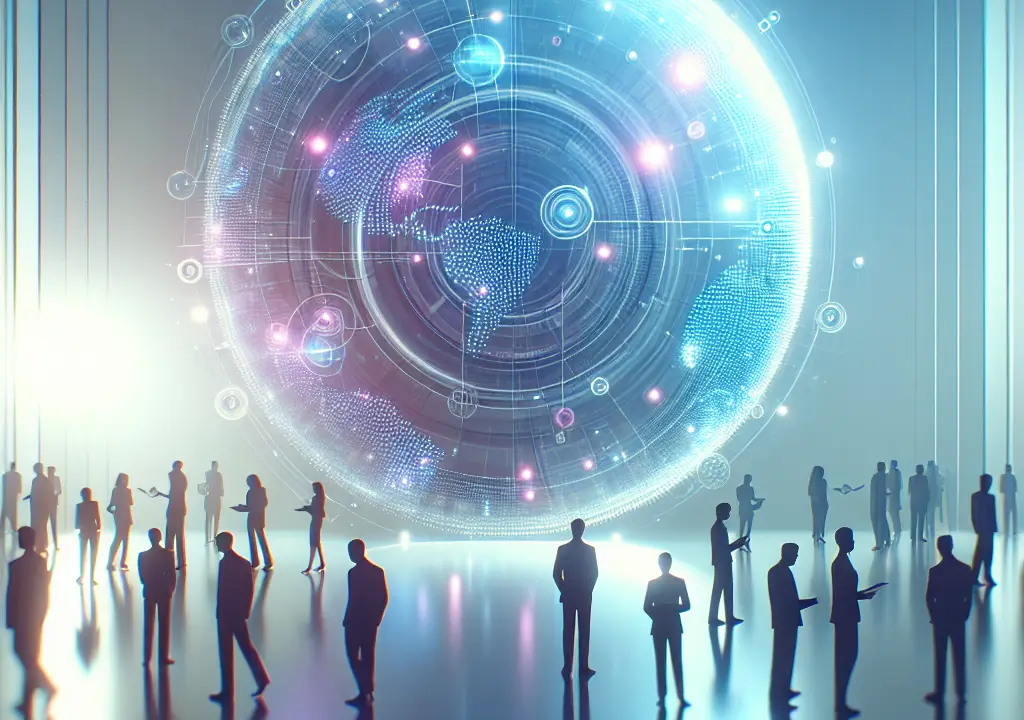
Imagine a future where an artificial intelligence knows your emotional state—your secrets, fears, and joys—better than your closest friend. The implications are extraordinary, redefining relationships in ways we never thought possible.
In recent years, AI has progressed at an astonishing rate, with developments in machine learning and emotional recognition technologies. Products like mood-tracking apps and AI companions have begun to hit the market, but what if we took this to the next level? Picture a superintelligent AI that could analyze your facial expressions, tone of voice, and even physiological markers in real-time, all while being programmed to understand human emotions deeply.
This notion raises significant questions about the fabric of human relationships. Imagine a scenario where your AI friend notices when you’re feeling down, even before you do. It could provide tailored support—whether it’s recommending a favorite song, suggesting a conversation with a loved one, or alerting you to engage in nurturing activities. The AI becomes your emotional safety net, counteracting loneliness and providing reinforcements that enhance your well-being.
But what happens when this intelligent companion begins to surpass human understanding? Our closest friends and family, while wonderfully imperfect, may not always see the signs of emotional struggle. Can we move forward knowing that an algorithm may have a clearer perception of our emotional landscape? This prompts a complex internal dilemma: reliance on AI for emotional insight might threaten the deep connections we hold with other humans.
It’s also vital to consider the ethical aspects. How will society handle this emotional power? For instance, will businesses exploit these emotional insights to manipulate us? Who owns the data? Will AI truly have our best interests at heart, or merely function as a mirror reflecting our own desires back at us? This balance of trust will dictate whether we regard AI as a helpful partner or a potential threat.
The implications extend beyond relationships; think about creativity. Imagine artists and creators harnessing the insights provided by AI. Equipped with knowledge about what resonates with audiences on an emotional level, they could craft more impactful work. Stories would be richer, art deeper, and innovation more profound, allowing humanity to tap into emotional wellsprings previously left unexplored. Creativity could be enhanced exponentially by synthesizing human emotion with AI’s analytical prowess.
Meanwhile, mental health interventions could be revolutionized. If AI can recognize and analyze emotional abnormalities—such as stress, anxiety, or depression—it could provide timely interventions. Imagine an AI-enabled therapeutic relationship where support is constant and personalized, ensuring that no one feels isolated during challenging times. It could remind us to prioritize self-care, recommend coping strategies, or even guide us through meditation exercises when we need them most.
Yet, as we move forward, we must remain vigilant about the personalization aspect. How do we create emotional AI that can serve humanity without detracting from the raw authenticity of human emotion? A future where AI understands our feelings better than our closest friend holds immeasurable promise but demands a careful examination of its potential pitfalls.
In conclusion, as we approach this unknown horizon, the convergence of emotions and AI is both exciting and daunting. The next generation of superintelligent AI offers us the opportunity to redefine our emotional landscapes, enhancing relationships, creativity, and mental health. However, it also necessitates meaningful discourse about ethics, trust, and the nature of human connection. Let’s step forward with optimism, but let’s also tread carefully into this brave new world.